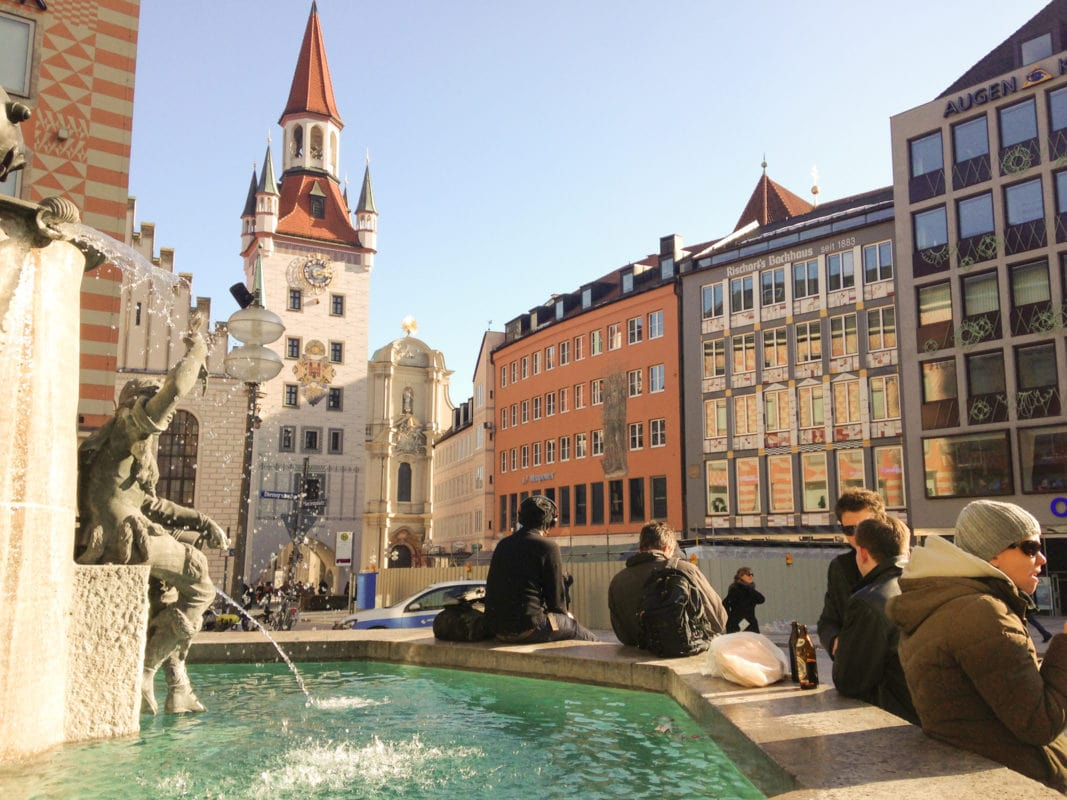
Munich is easy to navigate, which makes it possible to see several important historical sites in a single trip without rushing.
The key is to focus on places that represent different periods of the city’s past.
This guide keeps things practical.
You will understand what each place shows, how long to stay, and how to connect them into a smooth route.
The goal is to see enough to understand how Munich developed from a medieval town into a modern city.
Start in the Old Town: Where Munich Began
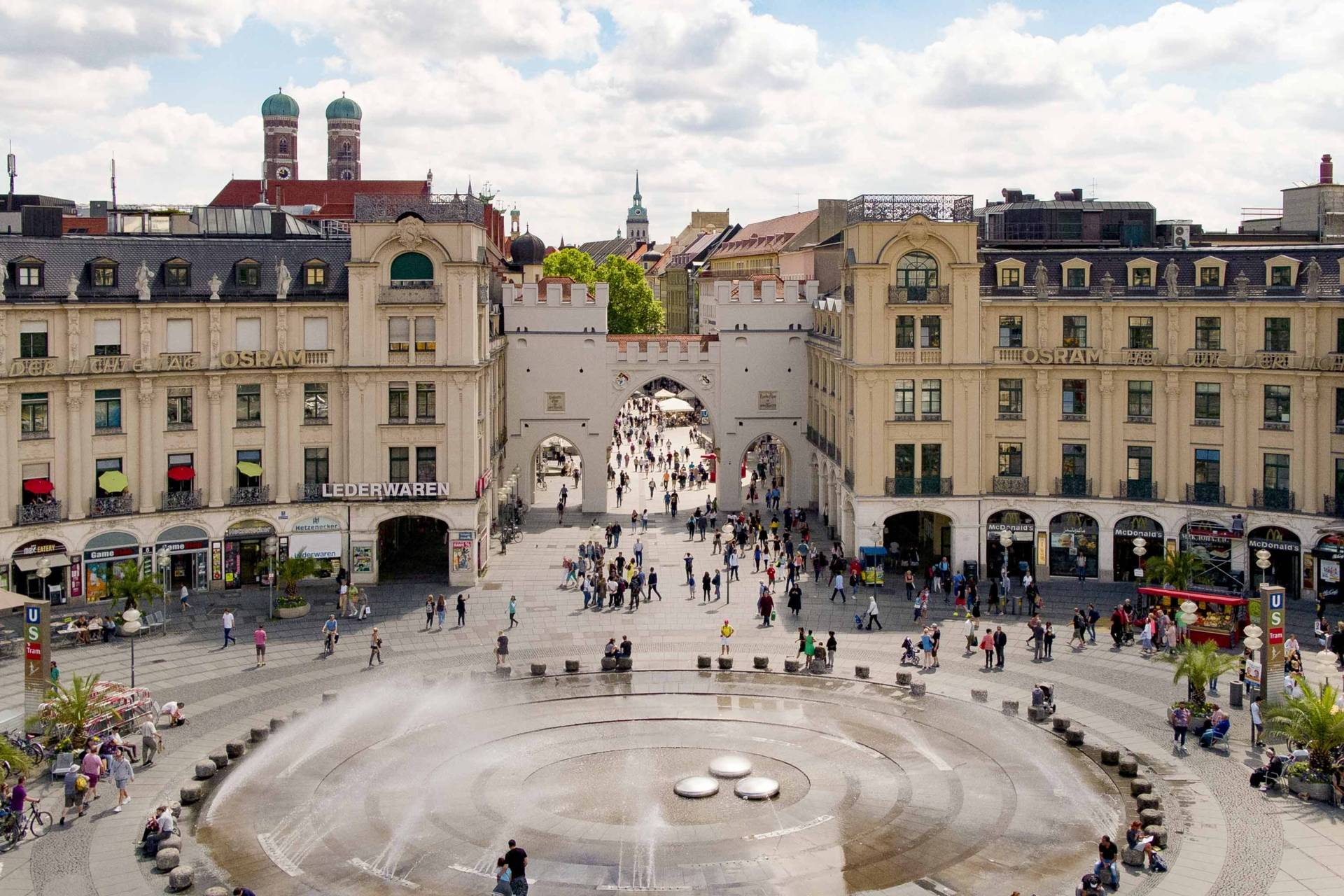
Begin at Marienplatz. This square has been the city’s main gathering point since the 12th century. The New Town Hall dominates the area, but the real value is how much history is concentrated in a small space.
Walk a short loop that includes:
- Frauenkirche for its late Gothic structure
- St. Peter’s Church for one of the oldest parish sites
- Viktualienmarkt for a sense of daily life that still reflects older traditions
Plan about 90 minutes here. Go early in the morning to avoid crowds. Everything is within walking distance, so there is no need for transport. This first stop gives you a clear foundation for the rest of the day.
Planning Your Route
Before moving further, it helps to understand how Munich is structured. The historic center is compact, while later expansions spread outward. This affects how you plan your day and manage time between stops.
When organizing your visit, consider:
| Area | Focus | Time Needed |
| Old Town | Medieval and civic history | 1.5 to 2 hours |
| Royal Munich | Monarchy and architecture | 2 hours |
| Outer Sites | 20th century history | 3 to 4 hours |
While planning logistics, some travelers also look into local services to better understand the city’s social landscape.
For example, for nightlife and urban culture services such as escort service München pop up. This reflects how modern Munich balances historical identity with contemporary life.
It is useful context, especially if you plan to explore the city beyond historical sites.
The Residence and Royal Munich
Next, head to the Munich Residenz. This was the seat of Bavarian rulers for centuries. It is one of the largest palace complexes in Europe, but you do not need to see every room.
Focus on:
- The Antiquarium for its scale and decoration
- The Treasury for key royal objects
- Selected state rooms to understand how power was displayed
Important: The Residenz is extensive. Choose a short route inside instead of trying to cover everything.
Allow around two hours. Audio guides help, but keep moving to stay on schedule. After this stop, you will have a clear sense of Munich’s political history before the 20th century.
Nymphenburg Palace and Urban Expansion
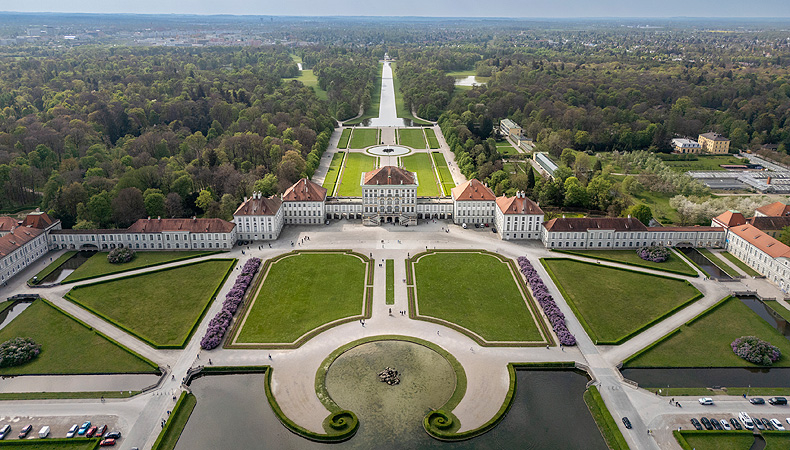
Take public transport to Nymphenburg Palace. This site shows how Munich expanded beyond its original center. It was built as a summer residence and reflects a different style of royal life.
What to focus on:
- The central palace building for historical interiors
- The park layout, which shows planned urban design
- Smaller pavilions if time allows
A typical visit takes about two hours. The grounds are large, so wear comfortable shoes. This stop helps you understand how the city grew and how rulers used space outside the old town.
Dachau: Understanding the 20th Century
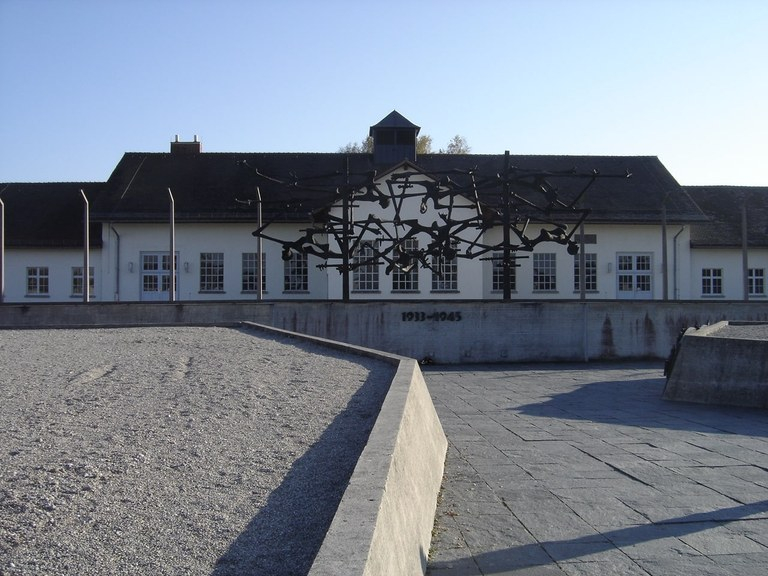
Finish your historical overview with the Dachau Concentration Camp Memorial Site. It is about 30 minutes from the city center by train and bus.
This site is essential for understanding Munich’s role during the Nazi period. The visit is direct and factual. Expect:
- Preserved camp structures
- Exhibitions explaining daily life in the camp
- Clear timelines and documentation
Plan at least three hours. Do not rush this part of the trip.
Did you know: Dachau was the first concentration camp established by the Nazi regime in 1933. It became a model for later camps.
This visit adds necessary context to everything you have seen earlier in the day.
Putting It All Together
A single trip to Munich can cover a wide historical range if you stay focused. Start in the Old Town to understand origins.
Move to the Residenz to see how power was organized. Visit Nymphenburg to see expansion and planning.
End at Dachau to understand the 20th century.
This route works because it follows a logical timeline. Each stop builds on the previous one. You do not need to see every museum or building. What matters is seeing the right places in the right order.
If you plan your timing well, this itinerary is realistic in one full day, though spreading it over two days makes it more comfortable.